
Related games










Published on: October 2026
Game technology: HTML5
Platforms: PC, Phone, Tablet
Prison Escape Simulator: Dig Out is a first-person prison escape game where the player secretly digs a tunnel from beneath their cell. There is no complex story with named protagonists or long cutscenes. The central objective is simple: prepare an escape without being caught by the guards. The player begins with basic equipment, hides the entrance beneath a carpet, removes the excavated sand, and gradually extends the tunnel while improving the tools and resources needed to reach freedom.
Digging Without Getting Caught
The tunnel starts with extremely limited equipment, including a simple spoon. Better shovels and other digging tools can later be obtained, making excavation faster. Guards regularly inspect the cell, so evidence of the escape attempt must be hidden before they arrive. Sand can be disposed of through the toilet, while the carpet conceals the opening in the floor. Letters provide clues about how deep and in which direction the player should dig.
Trading, Upgrades, and Prison Life
Progress depends on more than digging. The prison contains several systems that help improve equipment and character statistics:
· trade found junk with the guard;
· exchange toilet paper with other prisoners;
· buy larger shovels and better backpacks;
· obtain food and improved shoes;
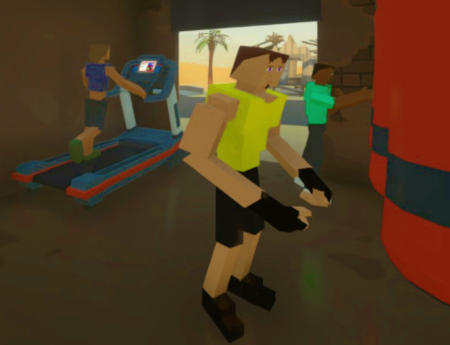
· exercise to increase strength and energy;
· purchase glow sticks and dynamite for the tunnel;
· upgrade the toilet to remove sand more efficiently;
· gamble for money and reputation;
· buy furniture and other cell improvements.
These upgrades make longer digging sessions possible and provide access to more valuable objects found underground.
Progress Toward the Escape
Prison Escape Simulator: Dig Out does not use traditional numbered levels. Progress is tied to expanding the tunnel, improving the cell, increasing character abilities, and acquiring equipment that makes excavation safer and faster. The underground route becomes larger as the player follows directional clues, uses lighting to navigate darker sections, and eventually gains access to stronger tools and explosives.
Playing effectively means balancing speed with secrecy. Digging for too long can make a guard inspection more dangerous, while returning too often slows overall progress. The player also needs to decide whether money should be spent on tools, storage capacity, physical improvements, or cell upgrades. Valuable objects discovered underground can support further trading, while gambling offers another way to gain or lose resources. The final goal remains constant throughout the game: construct a route beyond the prison without exposing the escape plan before the tunnel is complete.
