Related games





Published on: October 2026
Game technology: HTML5
Platforms: PC, Phone, Tablet
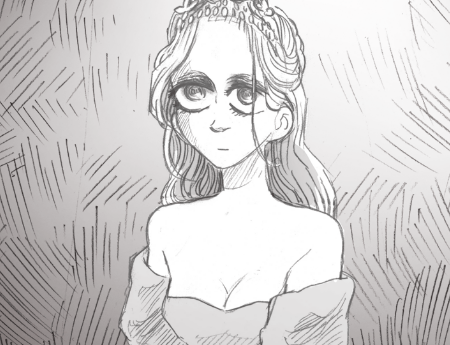
Slay the Princess begins on a path leading to an isolated cabin, where a narrator tells the player that a Princess is imprisoned in the basement and must be killed or the world will end. The player is never given complete proof that this warning is true. Instead, the story develops through conversations with the Narrator, the Princess, and several voices inside the protagonist’s mind. There is no conventional campaign with missions or combat levels. The main structure is a branching narrative in which choices determine what the Princess becomes, how the protagonist changes, and which parts of the larger mystery are revealed.
Decisions Change the Story
The player can obey the Narrator, question him, refuse to take the knife, attempt to rescue the Princess, attack her, or choose many other responses. Death does not necessarily end the story. After certain outcomes, the protagonist can return to the path while remembering parts of previous events, but the cabin, dialogue, and Princess may now be different. What the player believes and does directly influences later chapters and the form the Princess takes.
Routes, Chapters, and Choices
Gameplay is based almost entirely on dialogue decisions, exploration, and choosing actions during important scenes. Depending on the route, players can:
· take or leave the pristine blade;
· question the Narrator about the mission;
· speak with the Princess before deciding what to do;
· attempt to free, fight, abandon, or cooperate with her;
· encounter different versions of the Princess;
· gain new internal voices after deaths and major decisions;
· reach different chapters and endings.
The Pristine Cut expands the branching structure with three additional chapters, longer versions of several existing routes, and another ending.
Progression and Endings
Slay the Princess does not use character levels, equipment upgrades, or a traditional inventory system. Progress comes from moving through increasingly different versions of the central scenario and uncovering more information about the protagonist, the Princess, and the forces surrounding them. A gallery system in The Pristine Cut also tracks discovered moments and helps show which parts of the branching narrative have already been seen.
Replaying is necessary to understand the full story because one route reveals only part of what is happening. Choices that seem minor can change later conversations, create a different Princess, introduce another voice, or lead toward a separate ending. The game is therefore played by experimenting with decisions, comparing alternate versions of events, and gradually learning why the protagonist has been sent to the cabin in the first place.
